
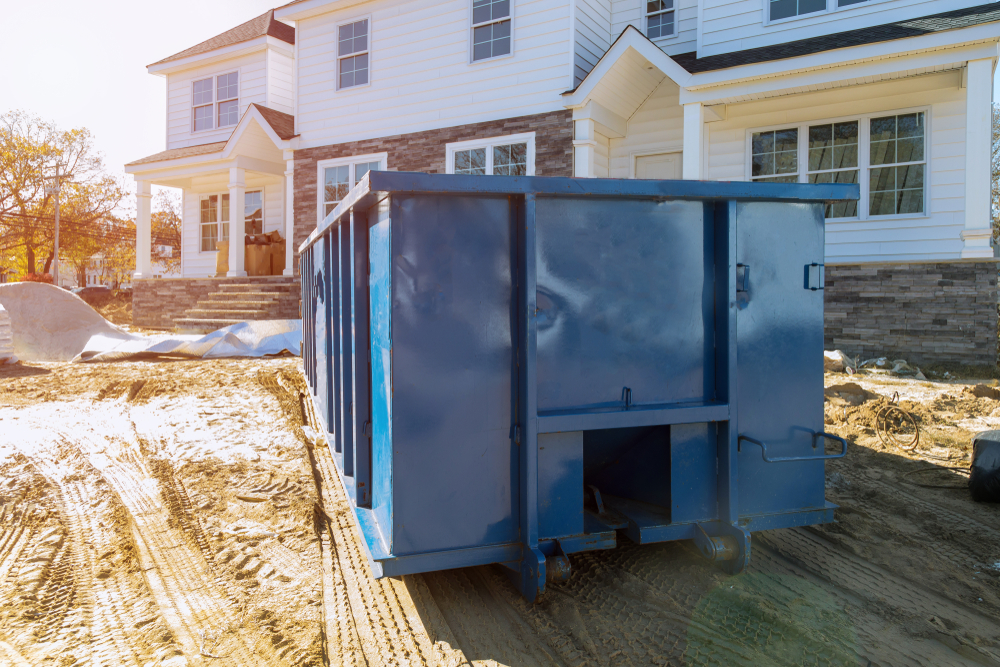
When you rent a dumpster for a big cleanup, renovation, or construction project, chances are you’ll have to deal with heavy, bulky items. If it involves tossing out concrete from an old patio, getting rid of an old refrigerator, or saying goodbye to that sagging sofa in the basement, safely loading those materials is critical. Not only do you want to avoid personal injury, but you also want to protect your dumpster, your property, and your budget.
It’s often a surprise just how quickly a project can go from manageable to overwhelming if proper loading techniques are not used. Fear not, because you don’t need to be a professional mover or contractor to handle heavy materials safely. With a little planning and the right approach, your dumpster rental in Cherryville will get the job done without unnecessary stress or risk.
Let’s break down some practical, step-by-step guidance so you can load up your dumpster like a pro while staying safe.
Why Safety Matters When Loading Heavy Materials
Before we dive into the how-to, it is important to talk about the why. Heavy materials like concrete, bricks, appliances, and furniture come with rather obvious, certain risks. When not handled properly, they can cause injury to your back, shoulders, knees, or hands. The risk extends beyond your own physical well-being too. Damage to your property, such as scratched floors or dented doorways, is firmly in the cards if you don’t give enough credence to your technique.
Furthermore, uneven weight distribution in your dumpster can make it harder and more dangerous to haul, and overloaded dumpsters can result in extra fees or failed pickups. Safety is not just about protecting yourself, but the property you’re entrusted to complete even the toughest jobs. It comes down to completing your project efficiently and avoiding costly mistakes. It all starts with a proper plan.
Step 1: Make a Loading Plan
Rushing into a job is a common mistake. Before lifting a single item, take a few minutes to plan your approach. Walk through your space and identify all of the heavy or awkward items you need to move. Group similar items together so you can load them in an organized way. Think about where your dumpster is located. Is there a clear path from your home or worksite? Are there any obstacles like stairs, narrow doors, or uneven ground? Planning ahead will save you time and energy and reduce the chance of accidents.
Step 2: Gear Up Properly
You wouldn’t wear your tuxedo to take out the trash, so why not approach your cleanout with the right apparel. Wearing the right gear makes a big difference as heavy materials often have sharp edges, splinters, or rough surfaces.
Before you start, It’s a good idea to put on:
- Sturdy work gloves to protect your hands
- Closed-toe shoes or work boots with good grip
- Long pants to shield your legs
- A back brace or lifting belt if you have one, especially for concrete or large appliances
Even if it feels like it should go without saying, hydration and breaks often get neglected in the grand scheme of the project. If you’re working in hot weather, take breaks, drink water, and watch for signs of heat exhaustion. Being comfortable and protected will help you work more efficiently and avoid unnecessary injuries.
Step 3: Break Down What You Can
One of the easiest ways to make heavy lifting safer is to reduce the size of what you are moving. For furniture, remove cushions, legs, shelves, or drawers to lighten the load. For concrete or bricks, break large pieces into smaller chunks.
Even appliances can often have removable parts or doors. The smaller and more manageable the item, the safer it will be to lift and load. This step helps you make the most of your dumpster space. Smaller pieces stack tighter, which means you can fit more in without creating dangerous piles or gaps.
Step 4: Use the Right Tools
There is no reason to strain yourself when there are tools that can do the hard work for you. Consider using a dolly or hand truck for appliances and furniture. Furniture sliders are great for moving items across floors without scratching.
A wheelbarrow is perfect for small chunks of concrete or debris. Straps or ropes can help secure items during transport. These tools not only protect you but also help protect your property from damage along the way.
Here is a quick-reference table for some common moving tools and their best uses:
| Tool | Best For | How It Helps |
| Dolly/Hand Truck | Large appliances, heavy furniture | Reduces strain, makes moving smoother |
| Furniture Sliders | Sofas, dressers, anything across flooring | Prevents floor scratches, easy gliding |
| Wheelbarrow | Small debris, concrete chunks, loose items | Moves many small items at once |
| Straps/Ropes | Securing tall or awkward loads | Keeps items stable during transport |
Using the right equipment can make a tough job much easier and safer, while also protecting your floors and walls from accidental damage.
Step 5: Lift With Care
Now comes the part that has accounted for the lion’s share of the physical damage. When lifting heavy materials, your technique matters and following these simple rules can make a world of difference when it comes to protecting yourself when utilizing your dumpster.
- Bend at the knees, not your waist
- Keep the item close to your body
- Lift with your legs, not your back
- Don’t twist while lifting or carrying
- Ask for help with anything too large or heavy to handle on your own
It can be tempting to power through, but taking your time and lifting correctly will save you a lot of pain and trouble in the long run.
Step 6: Load the Dumpster Strategically
Once you get your heavy materials to the dumpster, it’s imperative that you load them in a logical way. Start by placing the heaviest, flattest items on the bottom. This creates a solid, stable foundation. Think of it like building the base of a pyramid. Concrete chunks, large furniture panels, or flat appliances should go first. This prevents lighter items from getting crushed and helps distribute the weight evenly.
After your base layer is in place, fill in gaps with smaller debris. Pack things tightly to avoid shifting during transport. Make sure to avoid stacking materials higher than the top edge of the dumpster. Overfilling can lead to additional charges and makes hauling dangerous.
Step 7: Protect the Dumpster and Your Property
Our roll-off dumpsters in Bessemer City and beyond are built tough, but they are not indestructible. Dropping heavy concrete or appliances directly into the dumpster can cause dents, scratches, or damage to the container. This could result in extra fees. Instead, set items down gently when possible. If you’re tossing debris in from a higher spot, aim for a flat surface or pile to reduce impact.
If you’re able, it’s also a good idea to place plywood or protective boards on walkways or driveways where you will be moving heavy items. This prevents damage to your property as you work.
Don’t Let Neglected Safety Make A Mess of Your Next Cleanout
Loading heavy materials into your dumpster doesn’t have to be a dangerous or stressful task. With a little preparation and the right techniques, you can complete your project safely and efficiently. At Dumpsters Direct, we’re committed to helping you get the most out of your dumpster rental. From selecting the right size to offering advice on loading and safety, our team is here to make your experience as smooth as possible.
If you’re getting ready for a big cleanup, renovation, or construction project, get in touch with us. We are happy to answer your questions and help you choose the best dumpster for your needs. Remember, the key to a safe and successful project isn’t just hard work; it’s smart work. Stay safe, plan ahead, and let the dumpster do the heavy lifting.